What is Wisdom Tooth Removal? Complete Guide for Patients in Lucknow
That dull ache at the back of your jaw. The swollen gum you keep prodding with your tongue. The jaw stiffness that makes eating a little less enjoyable every day. If any of this sounds familiar, there’s a good chance your wisdom teeth are making their presence known — and not in a good way.
Wisdom teeth, or third molars, are the last teeth to emerge — usually between the ages of 17 and 25. For some people, they come through without any trouble. For many others, they become a source of persistent pain, infection, or crowding that requires professional attention. That’s why Wisdom Tooth Removal in Lucknow has become one of the most commonly performed dental procedures, helping patients find quick relief and protect their oral health.
At Alpha Aesthetics Clinics, we see patients from across Lucknow with wisdom tooth concerns ranging from mild discomfort to severe infection. If you’re dealing with similar symptoms, timely Wisdom Tooth Removal in Lucknow can make all the difference in restoring comfort and preventing complications.
Why Do Wisdom Teeth Cause Problems in the First Place?
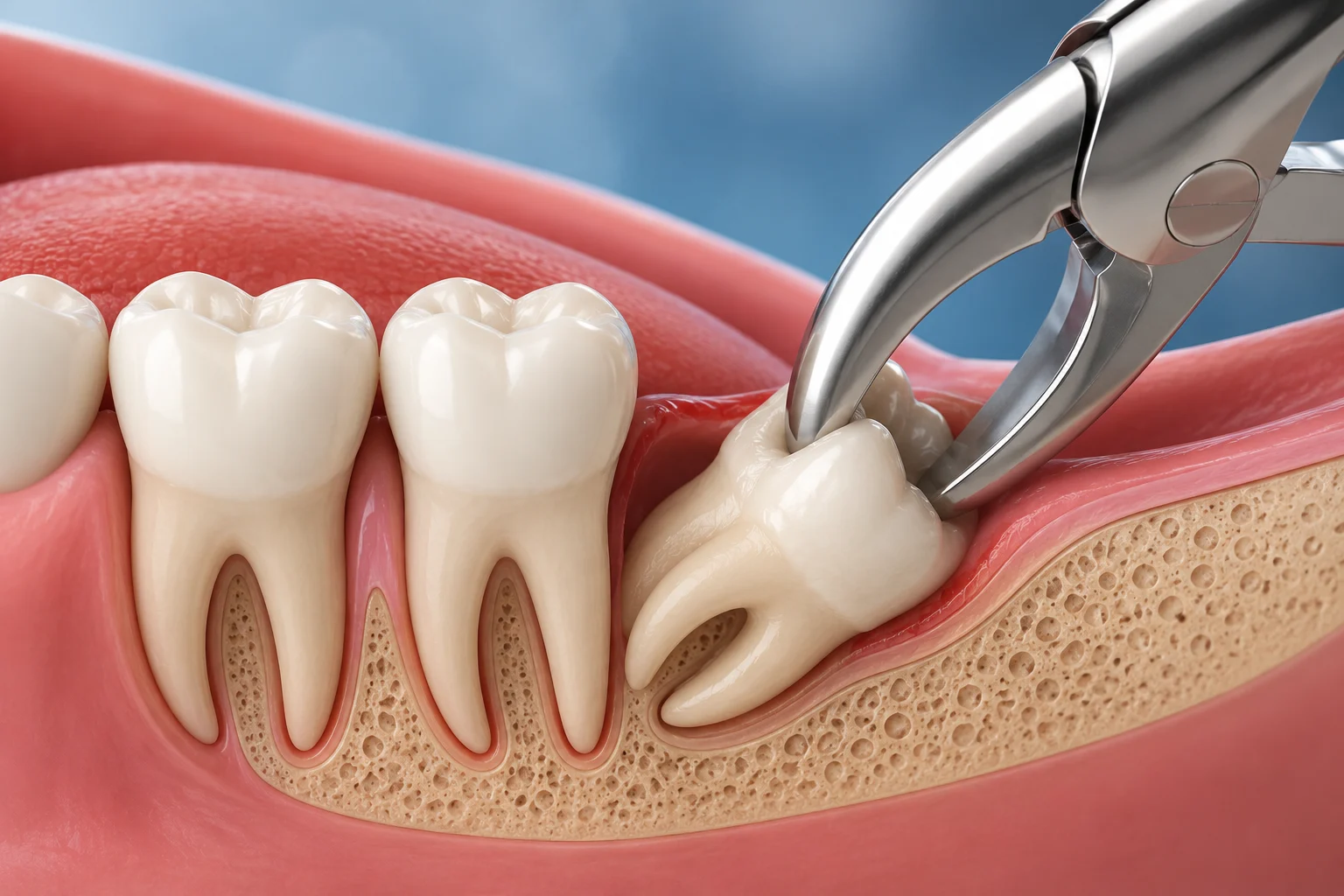
Your mouth is designed to hold 28 teeth comfortably, but wisdom teeth are the extra molars that often lack space to grow properly. When they become impacted, they may grow at odd angles or remain trapped under the gums, leading to discomfort and dental issues.
Common problems include:
- Pain and swelling at the back of the mouth
- Difficulty opening the jaw
- Gum infections around the tooth
- Damage to nearby teeth
- Risk of cyst formation
Even fully erupted wisdom teeth are hard to clean, increasing the chances of decay and gum disease.
Is Wisdom Tooth Removal Painful? Let's Set the Record Straight
This is the question almost every patient asks first — and it’s completely understandable. The honest answer is: the procedure itself should not be painful at all.
Wisdom tooth removal is performed under local anaesthesia, which numbs the entire area before any instruments are used. You’ll feel pressure and movement during the extraction, but you won’t feel pain. Most patients are surprised by how manageable the experience is once they’re in the chair.
The discomfort that patients often associate with wisdom tooth removal typically comes from two sources — the original infection or pressure from the impacted tooth before the procedure, and the normal post-operative soreness in the days following extraction.
What About Dental Anxiety?
Dental anxiety is very real, and we see it regularly at Alpha Aesthetics Clinics. If you’re nervous about the procedure, speak to your dentist beforehand. Our team will walk you through every step in advance, answer your questions without rushing, and ensure you feel settled before anything begins. For patients with significant anxiety, sedation options may also be discussed.
The Wisdom Tooth Removal Procedure: What Happens at Each Stage
Understanding the wisdom tooth removal procedure step by step takes away the fear of the unknown. Here is exactly what to expect when you come in for treatment at Alpha Aesthetics Clinics in Lucknow.
1. Initial Consultation and X-Ray Assessment
Before any extraction, your dentist carries out a thorough examination. A dental X-ray (usually a panoramic OPG X-ray) gives a full picture of how many wisdom teeth you have, their position, root shape, and their relationship to surrounding nerves and teeth. This step determines whether the extraction is straightforward or surgical.
2. Anaesthesia Administration
Local anaesthetic is injected near the tooth and surrounding tissue. Within a few minutes, the area is completely numb. You’ll feel a brief sting from the injection itself — that’s typically the most uncomfortable moment of the entire appointment.
3. Simple vs. Surgical Extraction
If the wisdom tooth has fully erupted, it can often be removed with a simple extraction — using dental forceps to loosen and lift the tooth out. If the tooth is impacted or partially covered by gum tissue, a surgical extraction is required. This involves making a small incision in the gum, possibly sectioning the tooth into smaller pieces for easier removal, and then closing the site with stitches.
4. Stitches and Wound Closure
Wisdom tooth removal stitches are used to close the extraction site and promote proper healing. These are typically dissolvable and don’t require a separate appointment for removal. They begin to break down on their own within 7 to 10 days as the gum heals. Your dentist will let you know whether non-dissolvable stitches have been used in your case, which would require a follow-up visit.
5. Post-Procedure Care Instructions
Before you leave the clinic, your dentist will give you clear aftercare instructions — covering diet, pain management, oral hygiene, and signs of complications to watch for. Following these carefully is the most important thing you can do to support smooth recovery.
Wisdom Tooth Removal Recovery: A Realistic Timeline
Recovery from wisdom tooth removal is something many patients worry about, but with the right aftercare it is very manageable. Here is what most people experience at each stage.
First 24 Hours
Some bleeding from the extraction site is completely normal in the first few hours. Bite down gently on the gauze pad provided to help a clot form. Avoid rinsing, spitting forcefully, or using a straw — the suction can dislodge the blood clot and cause a painful condition called dry socket. Stick to soft foods like rice, dal, curd, bananas, and mashed potatoes. Rest is strongly advised.
Days 2 to 3
Swelling typically peaks around day two or three. Applying a cold compress to the outside of your cheek in 20-minute intervals during the first 24 to 48 hours helps keep swelling down. Some jaw stiffness and difficulty opening your mouth wide is expected and will gradually improve. Pain is usually manageable with prescribed or over-the-counter medication.
Days 4 to 7
Most patients notice significant improvement by the end of the first week. Swelling subsides, pain reduces considerably, and eating becomes much easier. Gentle warm salt-water rinses (starting from day two onwards) help keep the extraction site clean and promote healing. Dissolvable stitches may begin to loosen during this period — do not pull at them.
Week 2 and Beyond
The surface gum tissue is usually healed within two weeks for most patients. However, complete bone healing of the extraction socket takes longer — typically three to six months. During this time you may occasionally feel the socket area but will experience no significant discomfort in day-to-day life.
Wisdom Tooth Removal Healing Time: Factors That Affect How Quickly You Recover
Wisdom tooth removal healing time varies from person to person. Several factors influence how quickly you bounce back:
- Age: Younger patients generally heal faster because bone density and tissue regeneration are at their peak.
- Complexity of extraction: A simple extraction heals faster than a surgical one that required gum incision and bone removal.
- Number of teeth removed: Having all four wisdom teeth removed at once means a more intensive recovery, though many patients prefer to get it done in one go.
- Oral hygiene: Keeping the mouth clean after surgery directly impacts how quickly the site heals.
- Diet: Soft foods reduce irritation to the wound; hard, spicy, or crunchy foods can delay healing.
- Smoking: Smoking significantly slows recovery and increases the risk of dry socket. Patients are strongly advised to avoid smoking for at least 72 hours post-extraction, ideally longer.
- Pre-existing infection: If an infection was present before the extraction, healing may take slightly longer, and a course of antibiotics is usually prescribed.
On average, most patients in Lucknow who have wisdom teeth removed at Alpha Aesthetics Clinics are back to their normal routine within three to five days, with full comfort returning within two weeks.
Wisdom Tooth Removal Side Effects: What's Normal and What Needs Attention
Every surgical procedure comes with expected side effects and potential complications. Knowing the difference helps you recover with confidence.
Common and Expected Side Effects
- Swelling of the cheek and jaw — peaks at 48 hours, then gradually subsides
- Mild to moderate pain for 3 to 5 days, well-managed with prescribed medication
- Slight bleeding or oozing for the first few hours after extraction
- Stiffness of the jaw (trismus) — typically eases within a week
- Bruising on the cheek or neck — more common after surgical extractions
- A change in taste or sensation near the extraction site — temporary in most cases
Signs That Require Prompt Attention
Contact Alpha Aesthetics Clinics immediately if you experience any of the following:
- Severe, worsening pain 3 or more days after the extraction (possible dry socket)
- Fever above 38°C
- Persistent or heavy bleeding that doesn’t slow after applying pressure
- Significant swelling that increases after day three
- Pus or a foul smell coming from the extraction site
- Numbness that persists beyond 24 hours (rare, but needs to be assessed)
These symptoms are uncommon when aftercare instructions are followed, but they are worth being aware of. Our team is always available to assess any concern during your recovery period.
Aftercare Tips for a Faster, Smoother Recovery
Particularly during summer months — can make post-extraction care slightly more demanding. Staying hydrated is important, but remember to sip water gently without using a straw. Cold foods like chilled (not icy) curd or cold lassi can be soothing and help manage swelling naturally.
Here are the essential aftercare guidelines our patients receive at Alpha Aesthetics Clinics:
- Rest for the remainder of the day after the procedure — avoid strenuous activity for 48 hours
- Apply a cold compress to the cheek for 20 minutes on, 20 minutes off during the first day
- Eat soft foods for at least the first five days — khichdi, idli, mashed dal, bananas, and curd are excellent choices
- Begin gentle warm salt-water rinses from day two (half teaspoon of salt in a glass of warm water)
- Brush gently, avoiding the extraction site for the first couple of days
- Take all prescribed antibiotics and pain medications as directed, even if you feel fine
- Keep your head elevated when sleeping to reduce swelling
- Avoid alcohol and smoking for at least five days after extraction
Why Choose Alpha Aesthetics Clinics for Wisdom Tooth Care in Lucknow?
Choose Alpha Aesthetics Clinics in Lucknow for expert and stress-free wisdom tooth care. Our experienced dental team ensures accurate diagnosis and personalized treatment tailored to your needs. We follow a patient-first approach, explaining every step clearly so you feel confident and comfortable. Using modern techniques and strict hygiene standards, we make procedures safe and minimally painful. From your initial consultation to post-treatment care, we provide complete support for a smooth experience. Don’t ignore wisdom tooth pain—early treatment can prevent serious complications. Trust Alpha Aesthetics Clinics for reliable, comfortable, and professional dental care that prioritizes your health and overall well-being.
Conclusion
Wisdom tooth issues may begin as mild discomfort but can quickly develop into serious dental problems if ignored. Pain, swelling, infection, and even crowding are common signs of impacted wisdom teeth that can affect your daily life and overall oral health. The good news is that timely care can prevent complications and bring lasting relief.
If you’re facing such symptoms, opting for professional Wisdom Tooth Removal in Lucknow is the safest and most effective solution. At Alpha Aesthetics Clinics, we combine expert care with advanced techniques to ensure a smooth, comfortable, and stress-free experience.
Book Your Consultation Today
Ready to take the first step toward a healthier, brighter smile? Alpha Aesthetics Clinic is here to guide you with expert care, modern treatments, and a focus on comfort and hygiene. Our experienced team ensures every consultation is personalized, informative, and stress-free for patients of all ages.
Here’s how you can connect with us:
- Contact Us – Speak directly with our friendly dental experts.
- About Us – Learn more about our patient-focused approach and commitment to quality care.
- Visit Our Website – Explore our full range of dental services and schedule your consultation online.
Frequently Asked Questions
Not every wisdom tooth needs to come out. Your dentist will recommend removal if the tooth is impacted, causing pain or infection, damaging adjacent teeth, contributing to crowding, or is difficult to keep clean. A dental X-ray gives the clearest picture. If you’re experiencing persistent discomfort at the back of your mouth, it’s worth getting an assessment at Alpha Aesthetics Clinics in Lucknow.
Yes, in many cases all four wisdom teeth can be removed in a single appointment. This is often the preferred option for patients who want to go through recovery only once. Whether this is appropriate for you depends on the complexity of the extractions and your overall health. Your dentist will advise you on the best approach after reviewing your X-rays.
Dry socket (alveolar osteitis) occurs when the blood clot that forms in the extraction socket is dislodged or dissolves before the wound has healed, exposing the bone underneath. It causes a sharp, radiating pain usually starting 2 to 4 days after extraction. To prevent it, avoid smoking, drinking through straws, forceful spitting, and hard foods during the first 48 to 72 hours. If you suspect dry socket, contact your dentist promptly — it is treatable with a medicated dressing.
For a straightforward extraction, most people take one to two days off. For surgical removal of impacted wisdom teeth, plan for two to four days of rest, with a gradual return to normal activity. If your work involves heavy physical exertion, you may need a full week before returning. Students typically find they can resume studies from home within a couple of days.
Dissolvable stitches typically begin to break down within 7 to 10 days. The gum surface over the stitches usually closes within two weeks. If non-dissolvable stitches were used, they are generally removed at a follow-up appointment about a week after the procedure. Full healing of the socket beneath the gum takes considerably longer — three to six months — but you won’t feel or notice this during day-to-day life.