
What is Root Canal Treatment and How Does It Work?
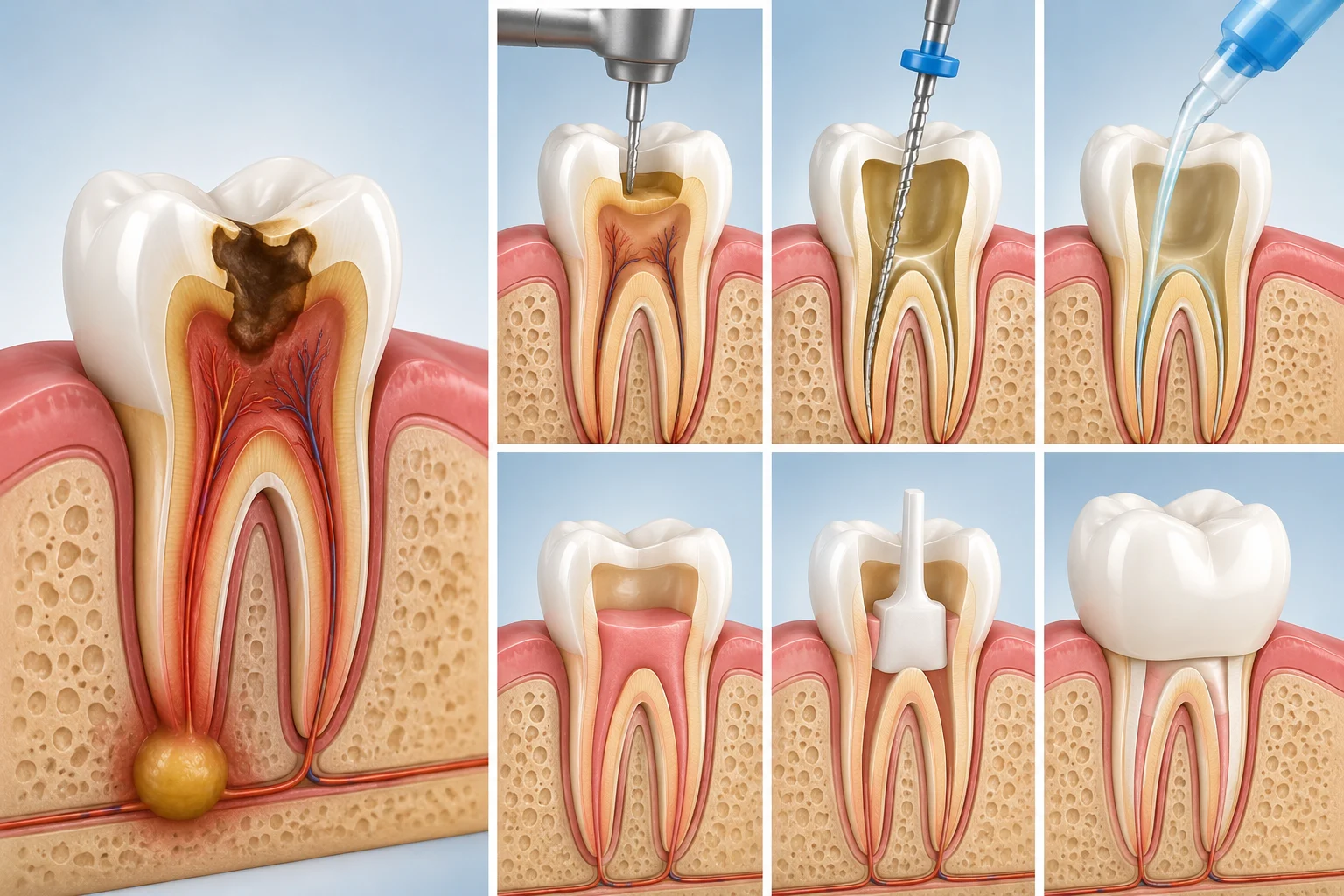
If your dentist has mentioned the words “root canal,” you might have felt a wave of anxiety. The phrase alone can send a chill down the spine — but here’s the truth: root canal treatment is one of the most misunderstood dental procedures out there. Far from being something to fear, it’s actually a tooth-saving treatment that relieves pain rather than causing it.
At Alpha Aesthetics Clinics, we believe that an informed patient is a confident patient.
What Is Root Canal Treatment?
Root canal treatment — also known as endodontic therapy — is a dental procedure designed to treat infection or damage deep inside a tooth. Each of your teeth contains a soft inner core called the pulp, which houses nerves, blood vessels, and connective tissue. When this pulp becomes infected or inflamed, it can cause severe toothache, sensitivity, and swelling.
Root canal treatment removes the damaged pulp, cleans and disinfects the inner canals of the tooth, and seals them to prevent future infection. The result? Your natural tooth is preserved — no extraction needed.
Why Is It Called a "Root Canal"?
The term comes from the anatomy of the tooth itself. Inside each tooth root are narrow passages called root canals. These canals house the pulp tissue that runs from the crown of the tooth down to the tip of the root. The treatment focuses on cleaning and sealing these canals — hence the name.
Signs You May Need a Root Canal: Don't Ignore These Symptoms
Not every toothache means you need a root canal, but certain signs point strongly in that direction. Watch out for these warning signals:
- Persistent, throbbing tooth pain that doesn’t go away
- Severe sensitivity to hot or cold temperatures that lingers
- Swelling or tenderness in the gums near the affected tooth
- A pimple-like bump on your gum (dental abscess)
- Darkening or discolouration of the tooth
- Pain when biting down or applying pressure
- A bad taste in your mouth that won’t go away
If you’re experiencing any of these symptoms, it’s important to see a dentist promptly. A root canal infection can worsen quickly, and delaying treatment may result in tooth loss or spread of infection to surrounding teeth and tissues.
The Root Canal Treatment Procedure: A Step-by-Step Guide
One of the most common concerns patients have is not understanding what actually happens during the procedure. Here’s a clear, honest breakdown of the tooth root canal treatment process — so there are no surprises.
Step 1: Examination and X-Ray
Your dentist begins with a clinical examination and dental X-ray to assess the extent of infection and map out the root canal anatomy. This step ensures the procedure is planned precisely for your specific tooth.
Step 2: Local Anaesthesia
Before anything begins, your dentist will administer a local anaesthetic to numb the area completely. This is what makes painless root canal treatment possible. Most patients are surprised to find that the procedure itself causes little to no discomfort — the anaesthetic ensures you feel only minimal pressure, not pain.
Step 3: Accessing and Removing the Pulp
Your dentist creates a small opening in the crown of the tooth to access the pulp chamber. Using precise dental instruments, the infected or inflamed pulp tissue is carefully removed from the canals.
Step 4: Cleaning and Shaping the Canals
The canals are then cleaned, shaped, and disinfected using small files and an antibacterial solution. This is the most critical part of the procedure — thorough cleaning eliminates bacteria and reduces the risk of re-infection.
Step 5: Filling and Sealing
Once the canals are clean and dry, they are filled with a biocompatible material called gutta-percha. The tooth is then sealed with a temporary or permanent filling to prevent bacteria from re-entering.
Step 6: Restoration with a Crown
In most cases, your dentist will recommend placing a dental crown over the treated tooth. This restores its strength, function, and appearance — allowing you to bite and chew normally. The crown also protects the treated tooth from future damage.
Root Canal Treatment Side Effects: What's Normal and What's Not
Like any dental procedure, root canal treatment can come with some temporary after-effects. Being aware of these helps you recover comfortably and know when to reach out to your dentist.
Common and Expected Side Effects
- Mild to moderate soreness or sensitivity in the treated area for 2–3 days
- Slight swelling or tenderness of the gum tissue
- A feeling of fullness or pressure around the tooth
- Temporary sensitivity when biting down
These symptoms are completely normal and typically resolve within a few days. Over-the-counter pain relievers and anti-inflammatories are usually sufficient for managing post-treatment discomfort.
When to Contact Your Dentist
Contact your dentist if you experience severe or worsening pain after 3 days, significant swelling that spreads to the face or neck, a return of the original symptoms, or if the temporary crown or filling feels loose. These could signal a root canal infection treatment complication that requires attention.
The Real Benefits of Root Canal Treatment
Many people assume that extracting the tooth is the simpler option. In most cases, that’s not true. Here’s why the benefits of root canal treatment make it the preferred choice:
- Preserves your natural tooth — maintaining your natural bite and preventing neighbouring teeth from shifting
- Eliminates infection and pain — once treated, the source of discomfort is completely removed
- Cost-effective in the long run — avoiding extraction means no need for implants or bridges later
- Quick return to normal function — most patients resume regular activities within a day or two
- High success rate — with proper care, a root canal-treated tooth can last a lifetime
- Prevents spread of infection — untreated dental infections can affect surrounding teeth and even overall health
At Alpha Aesthetics Clinics, our goal is always to help you keep your natural teeth for as long as possible. Root canal treatment, when performed by a skilled dentist, is a reliable and effective way to do exactly that.
Is Painless Root Canal Treatment Really Possible?
The short answer is yes. The idea that root canals are agonising is largely a myth rooted in outdated dental practices. Modern dentistry has transformed the experience entirely.
Today’s root canal procedures use advanced local anaesthesia techniques that ensure the affected area is completely numb before any work begins. Many patients report that the procedure felt no more uncomfortable than getting a standard filling. The pain associated with root canals is actually the pain of the infection itself — not the treatment.
At Alpha Aesthetics Clinics, we also offer a calm, supportive environment. Our team takes time to explain each step, answer your questions, and ensure you feel in control throughout the process. Dental anxiety is real, and we take it seriously.
Why Choose Alpha Aesthetics Clinics for Your Root Canal Treatment?
Choose Alpha Aesthetics Clinics for reliable and comfortable root canal treatment you can trust. Our experienced dental professionals use advanced technology to ensure precise, painless procedures while preserving your natural tooth. We focus on a patient-first approach, explaining every step and making you feel relaxed throughout your visit. From accurate diagnosis to final restoration, we deliver complete care under one roof. Our personalized treatment plans ensure the best outcomes for your dental health and smile. With a commitment to hygiene, safety, and long-term results, Alpha Aesthetics Clinics is your trusted partner for stress-free and effective root canal care.
Conclusion
Now that you clearly understand what is root canal treatment, it becomes easier to see that this procedure is not something to fear, but a reliable solution to save your natural tooth and eliminate pain. With advanced techniques and expert care, root canal treatment today is safe, effective, and often completely comfortable.
If you are experiencing tooth pain, sensitivity, or signs of infection, timely treatment is crucial. Choosing the right clinic plays a major role in ensuring successful results and a stress-free experience.
For patients seeking Root Canal Treatment in Lucknow, Alpha Aesthetics Clinics stands out as a trusted name known for patient-focused care and modern dental solutions. Recognized as a Best Aesthetic Clinic in Lucknow, we combine clinical expertise with a compassionate approach to deliver painless and long-lasting results.
Don’t wait for the problem to worsen. Take a step toward better oral health today—because your smile deserves expert care and attention.
Book Your Consultation Today
Ready to take the first step toward a healthier, brighter smile? Alpha Aesthetics Clinic is here to guide you with expert care, modern treatments, and a focus on comfort and hygiene. Our experienced team ensures every consultation is personalized, informative, and stress-free for patients of all ages.
Here’s how you can connect with us:
- Contact Us – Speak directly with our friendly dental experts.
- About Us – Learn more about our patient-focused approach and commitment to quality care.
Frequently Asked Questions
Most root canal procedures can be completed in one to two appointments, each lasting between 60 and 90 minutes. Complex cases involving multiple canals or severe infection may require a follow-up visit. Your dentist at Alpha Aesthetics Clinics will give you a clear timeline before the procedure begins.
Once a dental crown is placed over the treated tooth, it will look and function just like a natural tooth. No one will be able to tell it has been treated. The crown is custom-made to match the colour and shape of your surrounding teeth.
While root canal treatments have a high success rate, reinfection is possible — usually due to new decay, a cracked crown, or an undetected canal. This is why maintaining good oral hygiene and attending regular dental check-ups is essential after treatment. If reinfection does occur, the procedure can often be repeated successfully.
In most cases, yes. Saving your natural tooth is always the preferred outcome when possible. Extraction leads to a gap that can cause surrounding teeth to shift, affect your bite, and require costly replacements like implants or bridges. Root canal treatment preserves the tooth’s natural root structure and maintains the integrity of your jawbone.
After the procedure, avoid chewing on the treated side until your permanent crown is placed. Brush twice daily, floss regularly, and attend your scheduled follow-up appointments. Avoid very hard or sticky foods that could dislodge the temporary filling. With proper care, your treated tooth can last for decades.