
What Are the Downsides of Having a Root Canal?
The words "root canal" make many people nervous. Most of that fear comes from old stories, not from what the treatment is like today. Still, no procedure is perfect, and at Alpha Aesthetics Clinic we believe you should hear the full picture before you decide. This guide covers the real downsides of a root canal, how significant they are, and how they compare with the alternatives.
What Is a Root Canal, in Brief?
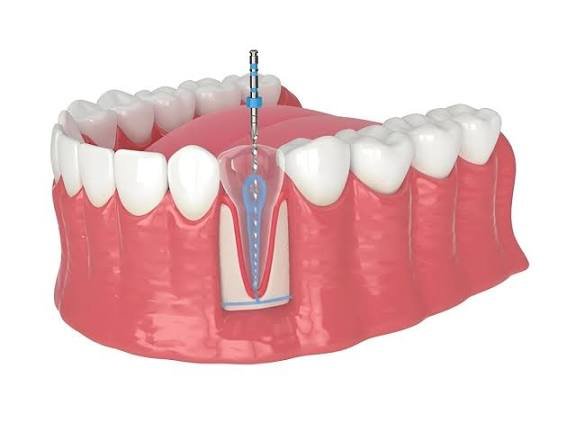
A root canal (endodontic treatment) removes infected or inflamed pulp, the soft tissue inside your tooth. The dentist cleans and disinfects the inside of the tooth, fills the canals, and seals it. The tooth is usually protected afterwards with a filling or crown. The goal is to save your natural tooth instead of extracting it.
The Downsides of a Root Canal
1. It Can Take More Than One Visit
Some teeth, especially molars with several canals, or teeth with a serious infection, need two or more appointments. Each visit can last 60 to 90 minutes, which can feel long if you find it hard to keep your mouth open or feel anxious in the chair.
2. Discomfort After the Procedure
The procedure itself is done under local anaesthesia, so you should not feel pain during treatment. Afterwards, however, it is common to have:
- Tenderness or mild soreness for a few days
- Sensitivity when biting or chewing
- Slight swelling of the gum around the tooth
This is usually manageable with over-the-counter pain relief if your dentist advises it, and it should settle down. Pain that is severe or keeps getting worse is not normal, and you should contact your dentist.
3. The Tooth Can Become More Brittle
Once the pulp is removed, the tooth no longer has its own blood supply, and it also loses structure from the access opening and cleaning. Over time it can become more fragile and prone to fracture. This is why most root canal-treated teeth, particularly back teeth, need a crown to protect them.
4. Additional Cost for a Crown or Restoration
The root canal is often not the only expense. A crown or a proper permanent restoration is usually recommended, which adds to the total cost. It is worth asking for the complete treatment plan and estimate up front so there are no surprises.
5. Success Is High, but Not 100%
Root canals have a high success rate, but a small number of treated teeth can become reinfected. This can happen because of:
- A hidden or extra canal that was hard to detect
- Bacteria getting in through a cracked tooth or a leaking filling
- Delay in getting a permanent restoration
In such cases, retreatment or a minor surgical procedure may be needed, and occasionally the tooth cannot be saved.
6. Possible Tooth Discolouration
Some root canal-treated teeth darken over time. This matters most for front teeth, where appearance is important. Discolouration can often be corrected with internal whitening or a crown, but it is something to be aware of, especially if you care about your smile.
7. Not Every Tooth Is a Good Candidate
If a tooth is badly broken down, has a vertical root fracture, or has very little healthy structure left, a root canal may not be the best option. In those situations your dentist may recommend extraction followed by an implant or bridge.
Is a Root Canal Still Worth It?
For most patients, yes. The downsides above are real but usually temporary or manageable, and they should be weighed against the alternatives:
- Leaving the infection untreated can lead to severe pain, abscess, bone loss and the spread of infection.
- Extracting the tooth can cause neighbouring teeth to shift, affect your bite and chewing, and usually leads to further treatment such as an implant or bridge, which can cost more over time.
Keeping your natural tooth, when it can be saved, is generally the preferred option because nothing replaces it perfectly.
How to Reduce the Downsides
- Choose an experienced dentist or endodontist who uses modern techniques and good imaging.
- Get the permanent restoration or crown placed promptly, as advised.
- Follow the aftercare instructions, and avoid chewing hard foods on the treated tooth until it is fully restored.
- Keep up regular brushing, flossing and check-ups.
- Tell your dentist about any pain, swelling or a bad taste that develops later.
When Should You See a Dentist?
Book an appointment promptly if you have:
- Persistent or throbbing tooth pain
- Lingering sensitivity to hot or cold
- Swelling in the gums or face
- A pimple-like bump on the gum
- A darkening tooth
Early assessment often means a simpler, more successful treatment.
Final Thoughts
A root canal is not without drawbacks: it can take time, cause short-term soreness, and may need a crown. But for most people, its benefits outweigh these downsides, because it relieves pain, treats infection and saves your natural tooth.
If you are unsure whether you need a root canal, or you want a clear explanation of your options, the team at Alpha Aesthetics Clinic is happy to examine your tooth, explain your treatment plan honestly and help you make a confident decision.
Book a consultation at Alpha Aesthetics Clinic today.
Frequently Asked Questions
1. Is a root canal painful?
No. The treatment is done under local anaesthesia, so you should not feel pain during the procedure. Mild soreness for a few days afterwards is common and usually manageable.
2. How long does a root canal take?
Many root canals are completed in one or two visits, each lasting roughly 60 to 90 minutes. Molars or severely infected teeth may need more time or extra appointments.
3. Do I always need a crown after a root canal?
Not always, but it is usually recommended for back teeth, because they handle heavy chewing forces and become more fragile after treatment. Your dentist will advise based on how much healthy tooth remains.
4. Can a root canal-treated tooth get infected again?
Yes, though it is uncommon. Reinfection can happen if bacteria enter through a crack or a leaking filling, or if a canal was missed. Retreatment is often possible.
5. What are the alternatives to a root canal?
The main alternative is extracting the tooth and replacing it with an implant or bridge. Leaving an infected tooth untreated is not recommended, as the infection can spread and cause severe pain or abscess.
Disclaimer: This article is for general information only and is not a substitute for professional dental advice. Please consult a qualified dentist for diagnosis and treatment.